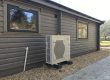


The Honest Answer: My neighbour had a bad experience with Solar or a Heat Pump, are they unreliable?
No. Solar panels and heat pumps are mature, reliable technologies. The systems designed and commissioned in the 1990s are still running.
A bad experience is almost always the result of poor application, poor design, or poor installation, not the technology. Those are not the same thing, and the distinction matters enormously when you are deciding whether to proceed.
Why bad experiences happen
Many call-outs to investigate underperforming systems installed by others. The pattern is consistent. When something fails to perform, one or more of three things went wrong.
- Poor application: The wrong product was specified for the property. A heat pump installed in a home with single-pipe heating, or a solar system sized without considering actual consumption, will underperform regardless of the equipment’s quality.
- Poor design: No heat loss calculation was carried out. The system was sized incorrectly. Radiators were not upgraded to suit the lower flow temperature. The flow temperature was set at the default rather than the correct value for the property.
- Poor installation: Pipework was incorrectly run. The cylinder was incompatible. The system was commissioned without proper pressure and flow testing. Controls were left on default settings rather than configured for the property.
In every case, the technology is capable of performing correctly. What failed was the process that delivered it.
What the track record of well-installed systems looks like
At AES, we have been installing heat pumps and solar panels across Hampshire since 1988. Several hundred heat pump installations, each one a full replacement of a fossil fuel boiler. The systems that were designed correctly, installed correctly, and maintained annually perform reliably year after year. The technology is not fragile.
The Mitsubishi Ecodan heat pump systems we install are used across Scandinavia where winter temperatures regularly reach minus 15 to minus 20 degrees. They are engineered for that environment. A Hampshire winter is not a challenge.
Solar panels from quality manufacturers carry 25-year performance warranties. Cells degrade at less than 0.5% per year. A correctly installed system in Hampshire will be generating usable electricity well into the 2050s.
How to tell if an installation was at fault rather than the technology
Ask your neighbour a few questions. Was a heat loss calculation carried out before the heat pump was specified? Were the radiators checked or upgraded? Was the system commissioned with the flow temperature set correctly? Has it been serviced annually?
In most cases where a heat pump is “not warm enough” or “too expensive to run”, the answer to one or more of those questions is no. That is a design failure or an installation failure, not a technology failure.
The same principle applies to solar. If a system is generating less than expected, the question is whether it was correctly sized for the roof orientation and shading, whether the inverter was properly specified, and whether the performance is being monitored against the predicted output.
What this means for your own decision
A bad experience reported by a neighbour is useful information, but only if you understand what caused it. Use it as a prompt to ask harder questions of any installer you speak to, not as a reason to write off the technology.
Ask to see the heat loss calculation. Ask how the system will be commissioned. Ask for references from customers whose installations are at least two years old. Ask whether the company has been trading long enough to have a track record you can verify.
At AES, we welcome those questions. Every installation we carry out is backed by over thirty-five years of Hampshire experience and a process that starts with a proper survey before a single component is specified.
Get a free honest assessment, not a sales pitch
If you want the honest assessment for your property, not a sales pitch, not vague reassurance, book a free survey. I will tell you whether a heat pump or solar installation makes sense for your home, and what it will actually involve.
FAQs
How common are heat pump installation problems in the UK?
Problems are more common than they should be, but the root cause is almost always poor installation or incorrect specification rather than technology failure. When systems are correctly designed and installed, performance is reliable.
What should I check if my heat pump is not performing well?
First, check whether a heat loss calculation was carried out before the system was specified. Second, check whether the flow temperature is set correctly, most heat pumps should run between 35 and 50 degrees. Third, check whether the system has been serviced. Many performance issues are resolved through commissioning adjustments or annual servicing.
How do I find an installer with a genuine track record in Hampshire?
Ask for direct references from customers whose systems were installed at least two years ago. Verify MCS certification at mcscertified.com. Check the company’s trading history. AES has been installing since 1988 and can provide verifiable references.
Are solar panels genuinely reliable over 25 years?
Yes. Quality solar panels degrade at less than 0.5% per year and carry 25-year manufacturer performance warranties. AES installs panels from established manufacturers with demonstrated long-term field performance.
What should I do if I have a problem with an existing installation?
Contact your installer first. If they are MCS-certified, a complaint can be escalated to MCS if the installer does not resolve it satisfactorily. If you want an independent assessment of an installation’s performance, AES can carry out a technical review of any system regardless of who installed it.