

How homeowners and businesses are reducing energy costs with solar, heat pumps and battery storage
Energy costs have been one of the biggest concerns for homeowners and businesses over the past few years. Heading into 2026, that concern is not disappearing, but the way people are responding to it is changing fast. More properties across Hampshire and the UK are moving towards smarter, more efficient energy systems that reduce reliance on the grid and provide long term cost stability.
Rather than relying on a single technology, many property owners are now combining solar panels, air source heat pumps and battery storage to create a more balanced and resilient energy setup. Understanding how these systems work together is key to making the most of available incentives and future proofing your property.
Why 2026 is a key year for energy upgrades
By 2026, the shift towards low carbon heating and renewable electricity is well underway. Government incentives, rising grid costs and improved technology are all pushing households and businesses to rethink how they generate and use energy.
Electricity prices remain volatile, gas prices are unpredictable, and energy efficiency standards continue to tighten. Installing renewable systems is no longer just an environmental decision. It is a financial one.
Properties with modern energy systems are seeing lower running costs, improved comfort and increased long term value. For businesses, energy efficiency also supports sustainability targets and can improve operational resilience.
Solar panels as the foundation of modern energy systems
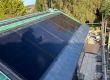
Solar panels remain one of the most effective starting points for reducing energy bills. In 2026, solar technology is more efficient, more affordable and better supported by smart monitoring systems than ever before.
For domestic properties, solar panels allow homeowners to generate electricity during daylight hours and reduce their reliance on grid energy. For commercial buildings, larger roof spaces can unlock significant savings by offsetting daytime operational demand.
Solar systems work particularly well when paired with other technologies such as battery storage or heat pumps, allowing generated electricity to be used more efficiently throughout the day and evening.
Heat pumps and the move away from gas
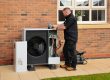
Air source heat pumps are playing an increasingly important role in the energy landscape. As gas boilers are phased out over time, heat pumps offer an efficient and reliable alternative for both homes and commercial properties.
Rather than generating heat through combustion, heat pumps move heat from the outside air into the building. This makes them highly efficient, especially when paired with good insulation and low temperature heating systems.
With support available through schemes like the Boiler Upgrade Scheme, heat pumps are becoming more accessible and financially viable for a wider range of properties in 2026.
Battery storage and smarter energy use
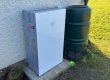
Battery storage systems allow surplus electricity generated by solar panels to be stored and used later. This is particularly valuable during evenings when energy demand is high but solar generation has dropped.
In 2026, battery systems are smarter and more integrated than ever. They can prioritise self consumption, reduce peak grid usage and even support backup power in certain configurations.
For businesses, battery storage can also help manage peak demand charges and improve overall energy efficiency across the site.
Creating a joined up energy strategy
The biggest savings in 2026 are coming from systems that work together. Solar panels generate electricity, batteries store it, and heat pumps use it to provide heating and hot water.
This joined up approach allows property owners to take greater control of their energy usage and protect themselves against future price rises.
Working with an experienced installer ensures systems are designed correctly, sized appropriately and optimised for the specific needs of the building.
Looking ahead
As we move further into 2026, energy independence is becoming a realistic goal for many homes and businesses. By understanding the current landscape and investing in the right technologies, it is possible to significantly reduce energy costs while also improving comfort and sustainability.
Now, more than ever is the perfect time to make the first step towards a brighter future – talk to us today and discover how we can help with your energy strategy this year.